
Convenience Retail Trends to Watch in 2026
As Dash In’s parent company, Wills Group, enters its second century in business, the meaning of convenience is evolving. Guest expectations are changing, technology is reshaping retail operations and today’s convenience store looks very different from a decade ago.
What hasn’t changed is the role c-stores play in daily life — providing fuel, food and everyday essentials when people need them most.
In 2026, convenience retail has reached a clear inflection point. Guests still expect speed and accessibility, but they also expect better food, more intentional experiences and interactions that feel personal. For operators, this shift is unfolding amid rising costs, tighter competition, and increasing pressure to invest with purpose.
Below are four retail trends we believe will define the next chapter of convenience retail, and how Dash In is preparing for what comes next.
Trend 1: Convenience Stores as “Third Places”
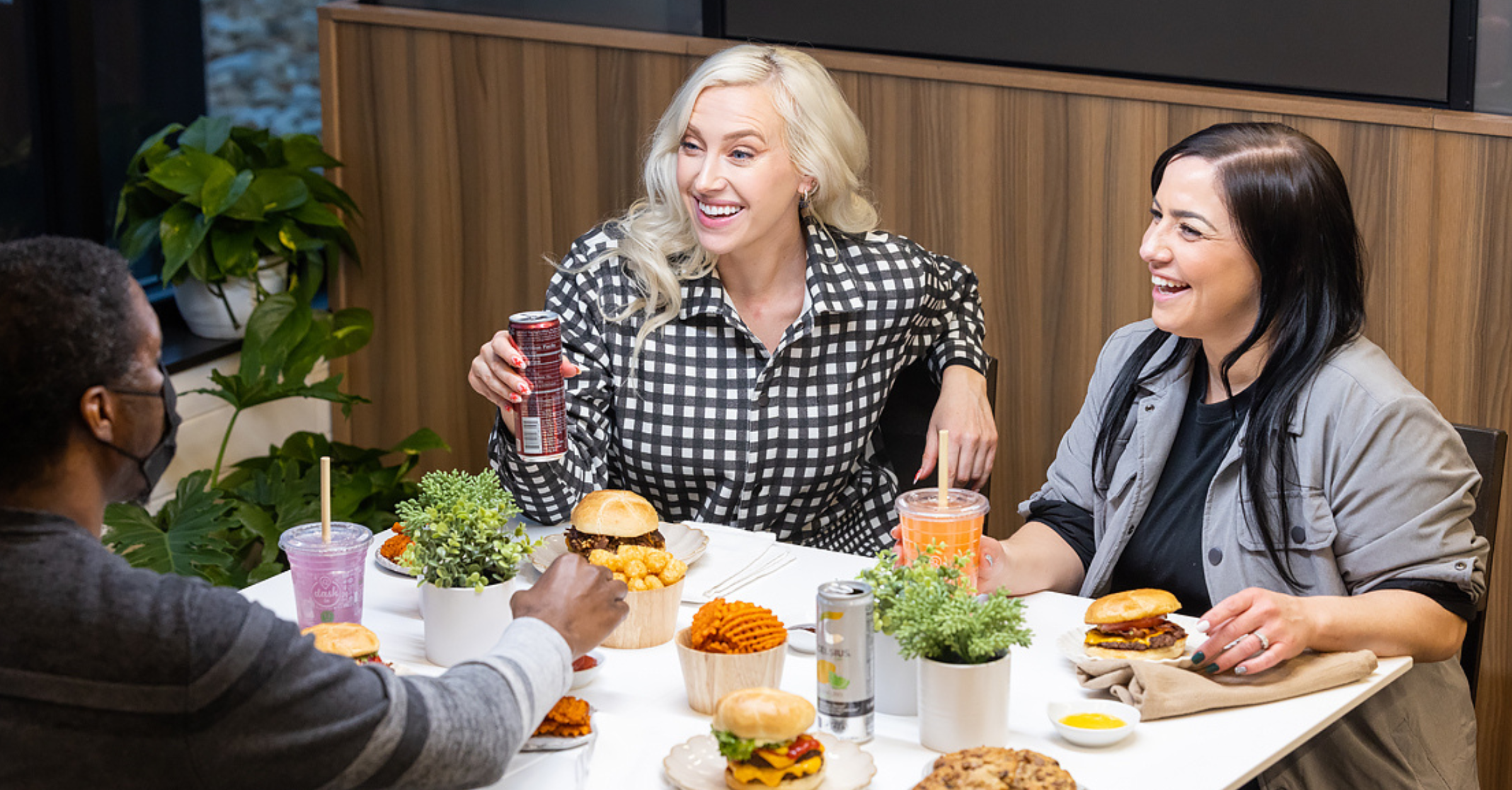
Convenience stores have traditionally been defined by speed and necessity. In 2026, that definition is expanding. More c-stores are becoming places where guests choose to spend time, not just complete a transaction and leave.
Across the industry, analysts point to the decline of traditional “third places” — informal gathering spaces like cafés or neighborhood hubs – and the growing role convenience stores are beginning to play in filling that gap. Stronger foodservice programs and more intentional store designs are encouraging guests to linger, dine in and return.
The data supports this shift. Paytronix reports that 72% of consumers now view c-store food as a viable alternative to quick-service restaurants, suggesting guests are willing to dine in when the offer justifies it.
For Dash In, this shift from transactional to social and experiential has already reshaped a meaningful portion of the portfolio. In recent years, Dash In has invested in a series of rebrands and renovations that prioritize comfort, quality and food-forward experiences, anchored by the Dash In menu.
Locations such as the reimagined Dash In stores in Indian Head, MD, and Loudoun County, VA, showcase this evolution through elevated offerings and environments designed to support dining and repeat visits. Together, these investments reflect a move toward the convenience store as a “third place,” where quality, comfort, and experience give guests a reason to stay – and come back.
Trend 2: AI and Personalization Behind the Scenes
In 2026, artificial intelligence will be firmly embedded in convenience retail operations, but its most important role will not be visible to guests. It will show up quietly through smarter store layouts, more relevant offers, and seamless in-store experiences.
Across the industry, analysts note a shift from AI experimentation to infrastructure. The National Retail Federation (NRF) reports that retailers are increasingly using AI to support forecasting, inventory planning, and personalization. At the same time, consumer expectations are rising. Research cited by TTEC shows that nearly three-quarters of customers now expect more personalized experiences as technology advances.
In practice, this means using data to answer practical questions: which products belong in which stores, which offers resonate with which guests, and how staffing and merchandising should adapt to real behavior. Loyalty programs are central to this shift, functioning less as discount tools and more as insight engines.
For Dash In, personalization shows up through the Dash In Rewards program and mobile app, which uses data based on real guest behavior to deliver more relevant offers and simplify engagement. In addition, we are using technology to help shape our Dash In merchandising mix through space and assortment planning. We gather in-store insights and use this data to inform merchandise decisions based on our guests’ preferences.
It’s a clear example of how AI-powered personalization works best when it’s behind the scenes, making each visit feel seamless and more intuitive.
Trend 3: Fuel Still Matters, But the Visit Is Evolving
Fuel remains a defining force in convenience retail in 2026. According to data from NACS, roughly four out of five U.S. convenience stores sell fuel, and fuel continues to drive the majority of store visits nationwide. In many markets, the pump is still the primary reason guests choose one location over another.
At the same time, operators are increasingly treating the fuel stop as the beginning of the visit, not the end. Tight and volatile fuel margins have made in-store purchases, particularly foodservice, more important to profitability. Improved food and beverage offerings and elevated store environments are giving guests a reason to come inside and return.
For Dash In, fuel remains essential, but it is not treated in isolation. Dash In locations are designed to make the transition from pump to store natural and rewarding, supported by clear sightlines, strong food and beverage offerings and an experience that respects the guest’s time.
In the next era of convenience retail, fuel may open the door, but the in-store experience determines the value of the visit.
Trend 4: Fewer Operators, Higher Standards for Growth
In 2026, convenience retail is moving in two directions at once. The industry is tightening through consolidation, even as well-positioned operators continue to expand.
Industry data shows a slight decline in total c-store count, reflecting mounting pressure on smaller and mid-sized operators. Rising costs, labor challenges, and the capital required to compete in foodservice and technology are pushing many owners to sell rather than reinvest. Recent M&A activity underscores this reality, with continued store acquisitions by larger operators seeking scale.
At the same time, growth has become more selective. Successful expansion is tied to strong food and beverage programs, consistent experiences, and an operating model that scales without dilution.
For Dash In, this environment aligns with recent investments in the core store model, strengthening its foodservice programs, elevating the guest experience, and introducing service-forward features such as in-store concierges. These efforts have positioned Dash In as a food-led convenience brand, recognized as one of the Best Foodvenience Stores in the World.
With that foundation in place, Dash In is moving forward with expansion. The company acquired 16 sites across the Carolinas and broke ground in North Carolina in 2025. The first Dash In store in Concord is scheduled to open in 2026.
Shaping the Next Century of Convenience
Viewed together, these trends point to a convenience retail model that is becoming more experience-driven and more selective about how it grows. The next era of the c-store emphasizes the quality of the visit, uses technology quietly, respects the continued role of fuel, and designs spaces that give guests a reason to come inside and return.
For Wills Group, 2026 is a milestone year, marking a century in business and a long view of how retail evolves alongside changing consumer needs. Convenience endures, but how it’s delivered must continue to adapt.
For Dash In, these trends affirm a direction already underway. Years of investment in foodservice, store design, and guest experience have shaped a model aligned with how people use convenience retail today. As expectations continue to evolve, Dash In is building stores and experiences designed not just to keep up, but to lead what comes next.


